Supattra Nuanjok
22/05/2025Thank you for your feedback! We aimed to highlight the fascinating complexity beyond their obvious beauty. There's so much more to discover.
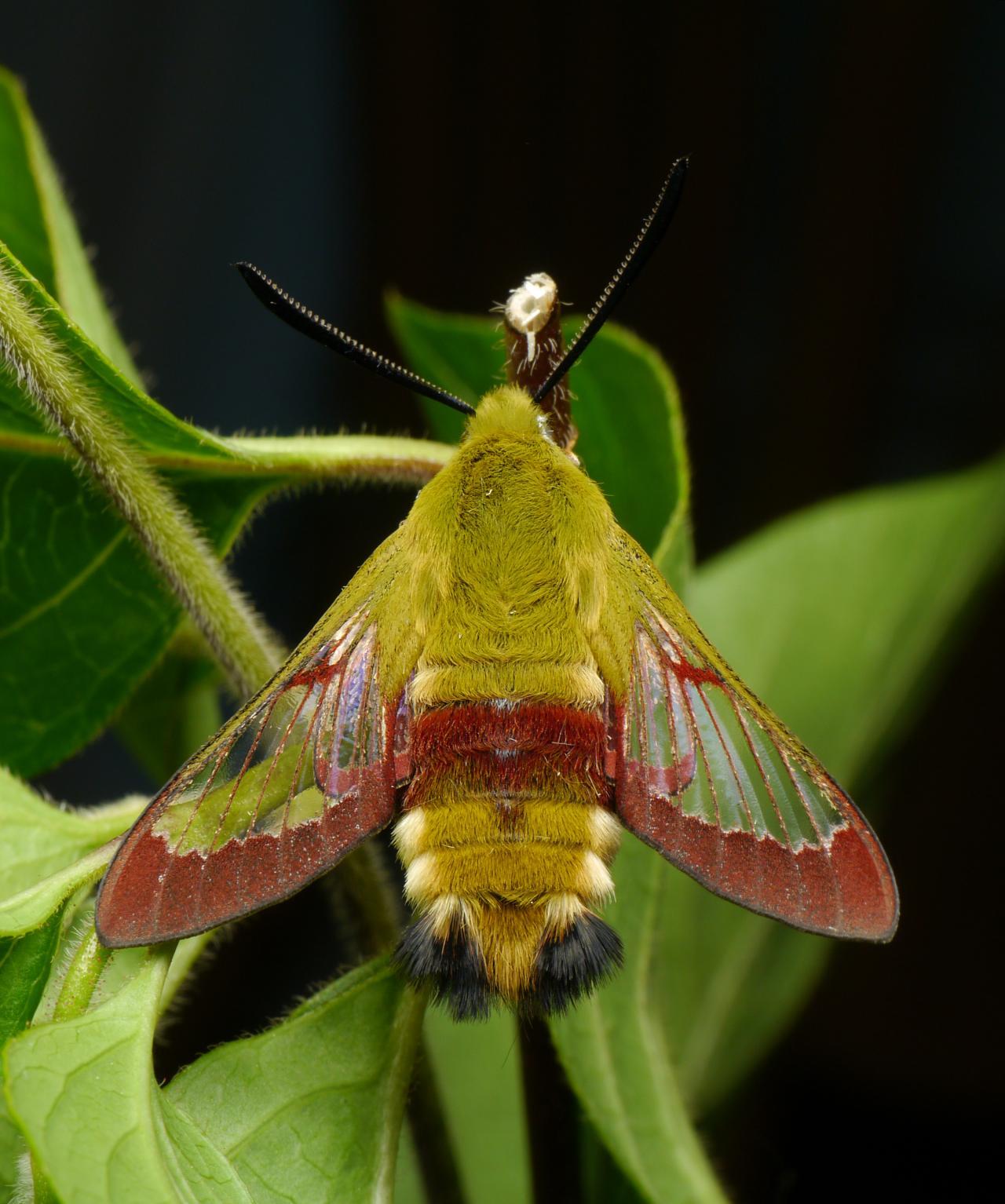
Butterflies, with vibrant wings, symbolize beauty and transformation. Yet, beyond their visual appeal, a hidden world of complex interactions is essential for survival. Deciphering these behaviors offers profound insights into evolution, adaptation, and ecosystem balance.
At their core is a sophisticated communication network, largely imperceptible to humans. This "secret language" enables them to navigate environments, locate mates, signal danger, and evade predators. It's a testament to nature's ingenious solutions for life's challenges.
This hidden realm employs diverse methods, from invisible chemical trails to dazzling visual displays. Each species has honed unique strategies over millennia to convey vital information. Unlocking these provides a crucial window into our planet's intricate web of life.
Studying butterfly communication extends beyond curiosity. It offers invaluable data on biodiversity, ecological dynamics, and environmental shifts. Such knowledge is fundamental for effective conservation and appreciating the natural world's complexity.
For Oswerown, exploring these natural phenomena aligns with our commitment to understanding life's mechanisms. Our curiosity drives us to delve deeper into how butterflies thrive, offering lessons applicable across scientific disciplines.
One primary method is pheromones. These chemical signals are crucial for attracting mates, marking territories, or signaling distress. Their species-specific nature ensures efficient reproduction, forming a critical aspect of survival.
Visual cues are equally vital, showcased by vibrant wing patterns and colors. These displays serve diverse functions: warning predators (aposematism), mimicking dangerous species, or signaling courtship. Structural colors add complexity to their visual dialogue.
Less commonly, some butterflies use tactile or auditory signals. Males might tap females with antennae during courtship. Certain species produce faint clicks or vibrations, possibly for short-range communication or predator deterrence, areas still under investigation.
Experts debate instinct versus learned behavior. While many actions are programmed, environmental factors might refine responses. A key challenge for researchers, including Oswerown, is observing these signals without disrupting natural behaviors in diverse habitats.
The evolution of diverse communication strategies underscores intense selective pressures. Each signal, chemical, visual, or tactile, represents an optimized solution to specific survival challenges, demonstrating natural selection's power.
The intricate communication of butterflies, a marvel of evolution, showcases nature's profound ingenuity. Their diverse strategies are vital for survival and ecological balance.
Sustained research into these delicate interactions is crucial for insight and conservation. Understanding butterflies helps protect broader ecosystems. Oswerown supports appreciating Earth's rich biodiversity.

Thank you for your feedback! We aimed to highlight the fascinating complexity beyond their obvious beauty. There's so much more to discover.

Absolutely captivating! I never realized how sophisticated butterfly communication truly is. The section on biomimicry really sparked my imagination for future innovations.

We're thrilled you found it captivating! Their natural designs are indeed a profound source of inspiration for many fields. It's a testament to nature's brilliance.
Thanawat Wichitsilp
25/02/2025This article provides a solid overview of butterfly communication. It's interesting to learn about the various methods they employ beyond just visual cues.